

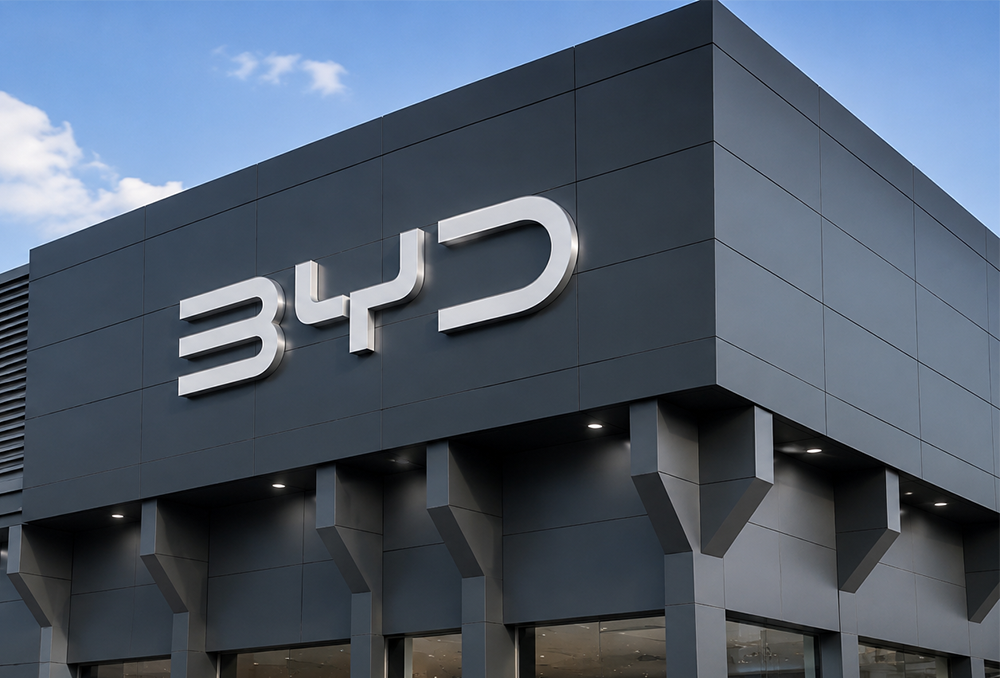
A successful signage project is rarely the result of fabrication alone. It depends on accurate information, timely approvals and coordination between the brand, consultant, contractor, manufacturer and installation team. Planning these decisions early protects the design, programme and budget.
1. Start with a complete project brief
The brief should explain where the sign will be installed, who must see it, the viewing distance, operating hours and the result the brand wants to achieve. A reference image alone is not enough to manufacture safely or accurately.
Useful starting information includes the site address, approximate dimensions, brand guidelines, required quantity, preferred materials, lighting expectations, target completion date and whether installation is included.
2. Survey the real site
Site drawings can differ from completed conditions. A survey confirms dimensions, substrate, available fixing points, electrical supply, access restrictions and nearby architectural elements that may affect visibility.
For replacement signage, the survey should also record existing frames, wiring, penetrations and surfaces that may require repair after removal.
3. Convert the concept into technical drawings
Shop drawings connect creative intent with manufacturing reality. They should define overall sizes, letter depths, material thicknesses, finishes, colour references, LED arrangement, power supplies, fixing methods and structural supports where required.
All stakeholders should approve the same revision before production begins. Changes after fabrication starts can affect cost and delivery.
4. Select materials for the environment
Material selection should consider indoor or outdoor use, sun exposure, heat, moisture, cleaning, expected lifespan and maintenance access. The best-looking sample is not always the best long-term solution for the site.
A professional signage partner can combine acrylic, aluminium, stainless steel, ACP, vinyl, LEDs and protective finishes to achieve the required appearance and performance.
5. Plan fabrication, access and installation together
Large signs may require sectional fabrication, lifting equipment, scaffolding, traffic control or work outside normal operating hours. These requirements should influence the design and manufacturing method from the beginning.
Before dispatch, verify approvals, quantities, labels, lighting, finishes, fixings and packaging. A clear installation method statement and site contact reduce delays during execution.