

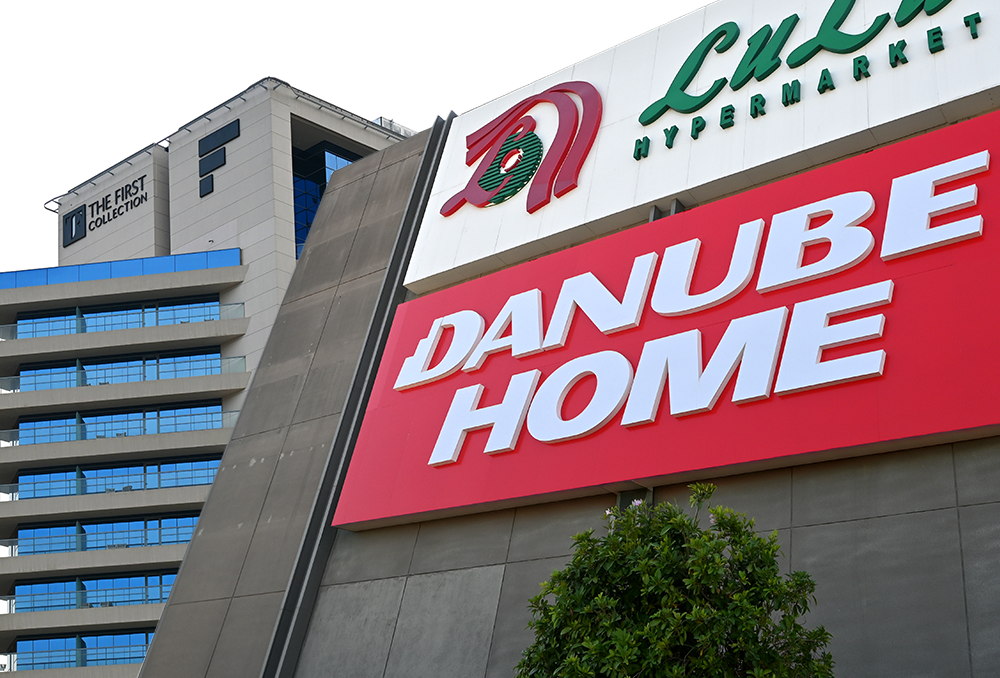
Retail signage has two jobs: help people find the store and communicate what the brand promises. When exterior identification, windows, navigation and interior graphics work together, the customer receives a clearer and more confident experience.
Make the storefront identifiable in seconds
Customers often see a shop while moving through a road, mall corridor or busy public area. The main sign should prioritise the most recognisable brand elements and maintain sufficient contrast against the façade.
Letter size, mounting height, neighbouring signs and sightlines affect recognition. A site photograph with scaled artwork is useful before final approval.
Use window graphics with purpose
Window graphics can communicate campaigns, privacy, opening information and product stories. They should support the storefront rather than completely block visibility without a reason.
Material choice depends on campaign duration, glass condition, light transmission and removal expectations. Accurate artwork setup prevents unexpected crops and joins.
Continue the brand inside the space
Reception signs, wall graphics, category markers, digital displays and promotional units help customers understand where to go and what to explore.
Repeated colours, typography, materials and lighting make the environment feel intentional. Wayfinding should remain simple and legible rather than becoming decoration.
Design for rollout and maintenance
For multi-location brands, documented sizes, materials, colours, illumination and installation details help maintain consistency while adapting to different sites.
Consider how graphics will be updated, how illuminated components will be serviced and which surfaces can withstand regular cleaning in a retail environment.